
Dr. Howell’s Daily Reflections
Everyday, Dr. Howell writes a reflection, a spiritual practice, an inquiry prompt, and a prayer.
To receive Dr. Howell’s reflections everyday in your inbox, please sign up for our mailing list using the form at the bottom of the page, and begin your journey into who God has made you to be. Make peace with your ego and discover your true path today. The path to wholeness starts now!

Wholeness Part 6
The two things that once gave us that sense of wholeness when we were young children, our external holding environment and our natural connection to the soul, seem difficult to recover in adult life.

Wholeness Part 5
Where did our longing for wholeness begin?
Perhaps it began in our earliest days—when we and our caregivers formed a kind of holding environment. In that space, our needs were met. We were fed, protected, comforted, and—hopefully—loved. There was a quiet completeness in that experience. A kind of early wholeness. But as we grew, life became more complex. We encountered limits. We lacked certain abilities. We experienced rejection, disappointment, and comparison. We were not always understood, accepted, or affirmed. Slowly, we became aware of what we did not have… and what we believed we were not. And so, something transformed.

Wholeness Part 4
To realize our wholeness is to acknowledge our deficits as growing edges, and to genuinely embody our divine selves— all our qualities that make our soul a unique and divine being with a personal purpose. There are many ways we reconnect to our divinity. Many spiritual practices reveal our divine qualities and help us shift toward them.

Wholeness Part 3
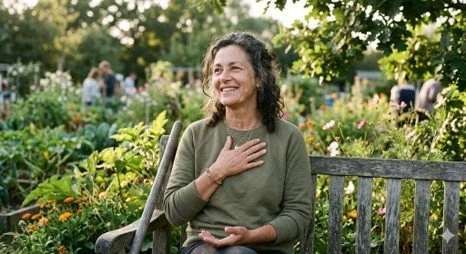
Having everything we need, and being everything we are, is wholeness. But so many times, we do not realize that we have what we need and that we are complete as we are. So many times, we feel insufficient, damaged, and not enough. We feel unwhole. Without feeling whole, we are more susceptible to hopelessness. But the good news is we can rediscover our wholeness that was there all along and live from it. Our wholeness is a gift bestowed on us at our making—it never goes away. We can spend our entire lives unaware of it or forgetting it. Or we can embody and live from it.
Wholeness Part 2
The opposite of wholeness is fragmentation… what we often experience as brokenness. In Enneagram language, this is called disintegration: a movement away from our healthy center where our thoughts, emotions, and actions begin to unravel. We lose coherence. We lose balance. We lose ourselves.

Wholeness Part 1
Welcome to this week’s daily Reflections on “Wholeness.”
Regardless of what happens, we are whole. Even during scarcity, sickness, conflict, and loss, we are whole and free. We may not feel whole, we may feel wounded and depleted. We may feel there is a gaping hole in us. But even with these challenges, the truth is we are whole.
Personality Part 7
Question: What most helps our personality?
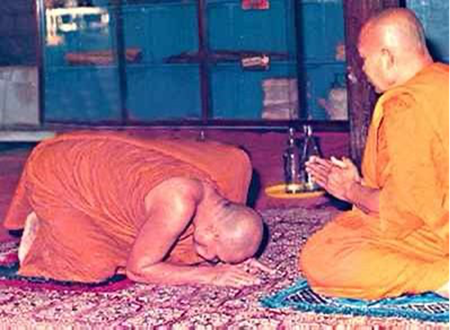
Answer: Anything that makes it bow to our soul.
Question: Why?
Answer: Because in bowing to our soul, we are our best self.
Personality Part 6
Are you “perfect?” ... The answer is yes, but few of us know it.
An amazing quality from our soul that shines through our personality is perfection. For the soul, perfection is wholeness, not flawlessness. Wholeness means the complete person which includes the fact that we are “under construction.”
Personality Part 5
Personality is made up of the traits and patterns of our surface self—the part of us that adapts, presents, and interacts with the world. But beneath this outer layer lives something far more essential: the soul. And the qualities of the soul form what we might call our soulality—our truest identity.

Personality Part 4
When we finally discover our true vocation, it is not our personality that brings us there. When a mother labors to bring new life into the world, her strength does not arise from personality. When we grieve the loss of someone we love, the depth of that sorrow does not come from personality. And when life presses us into crisis and we reach for the one person we can trust, it is not personality that guides our hand. In these moments, something much more profound takes over. We are drawn from the surface of who we appear to be, into the truth of who we are. We are most whole, most steady, and most real when we are living from the soul.

Personality Part 3
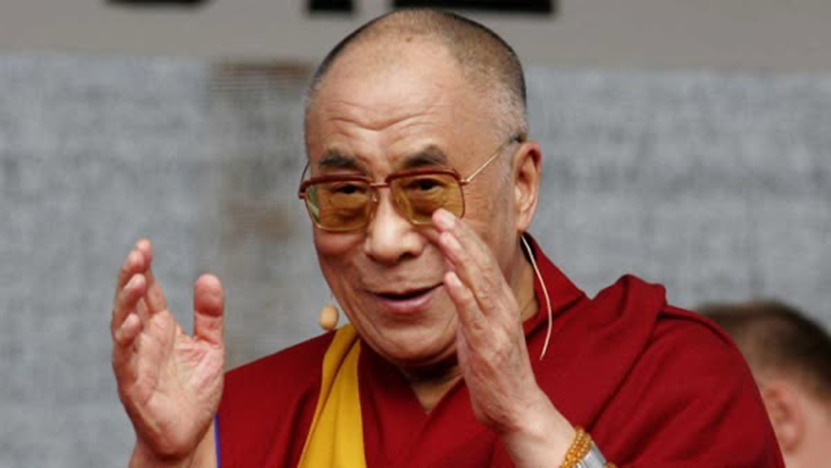
We recognize personalities everywhere—on screens, in print, through voices carried across podcasts and radio. We feel as though we know these figures: their expressions, their opinions, their tone. And yet, a quiet question lingers beneath our fascination: Who are they, really? Not the image, not the persona, but the living, breathing being behind it all.
Personality Part 2
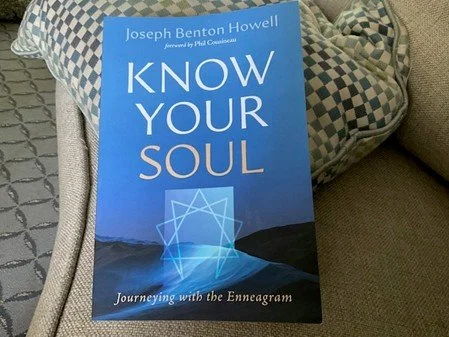
Many of us find ourselves captivated by the Enneagram—its uncanny ability to describe, with startling accuracy, the patterns of human personality. Across cultures and countries, its influence continues to spread. Why? Because it speaks to something we continuously seek to understand ourselves and also to know what makes others tick.
Personality Part 1
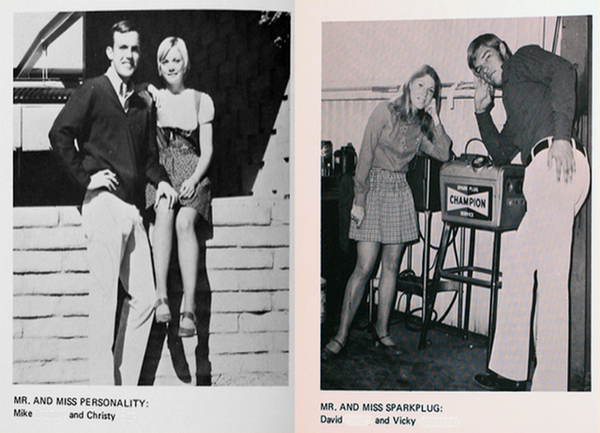
Think back to high school. Each year the classes chose a girl and a boy to be their “favorites” in categories like : Best Looking, Smartest, Most Athletic, Most Likely to Succeed, Most School Spirited, Wittiest—and of course, the Best Personality. In the teen years having a good personality is a coveted compliment. And it serves us well all during life.

Inner Strength Part 7
There is a difference between spiritual strength and ego strength. Ego strength is built from a deep commitment to our own story, our needs, our preferences, our interpretations of the world. It relies on familiar patterns and well-worn responses, often moving automatically, convinced that its way is the only way. It can appear strong, even decisive, but its strength is rooted in repetition rather than truth.
Inner Strength Part 6
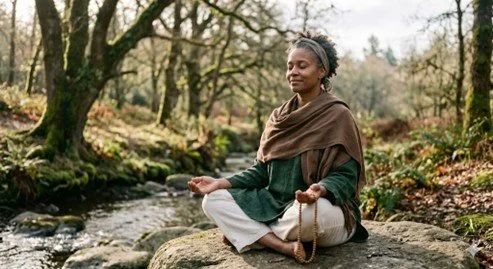
Strength is essential for the spiritual life. This includes physical endurance as well as mental and emotional strength. But the most profound is the strength of the soul.

Inner Strength Part 5
"And he said unto me, My grace is sufficient for thee: for my strength is made perfect in weakness..." These words, recorded by Paul in 2 Corinthians 12:9, were spoken by Jesus in Paul’s prayer for his affliction to be healed.
Inner Strength Part 4
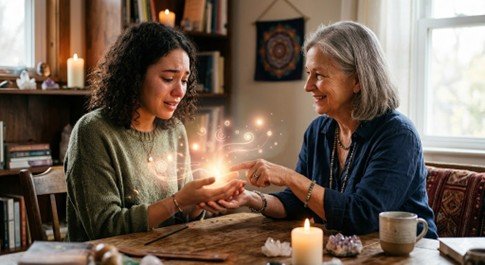
What kind of strength do you long for? Is it courage? Endurance? The strength to face loss, illness, or the suffering of someone you love? Not having the strength we need is not a final verdict. Instead, it is an invitation. Yes, we are invited into a new experience that looks as if it will break us, but instead, it strengthens us.
Inner Strength Part 3
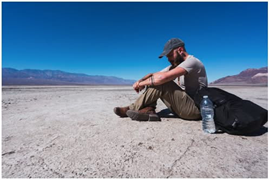
I was thirty-nine, a husband, father, and the new owner of a house with a mortgage. For the past eleven years, I had been a faculty member of a medical residency program at the University of Alabama in Birmingham, School of Medicine. I thought my job was secure, but one day I walked into a faculty meeting, and our director informed us that the resiliency program had lost its government grant. We relied on that grant for all the operations of the residency program, from paper clips to salaries. By the end of the meeting, all of us knew we were out of a job.