Everyday, Dr. Howell writes a reflection, a spiritual practice, an inquiry prompt, and a prayer.
To receive Dr. Howell’s reflections everyday in your inbox, please sign up for our mailing list using the form at the bottom of the page, and begin your journey into who God has made you to be. Make peace with your ego and discover your true path today. The path to wholeness starts now!

People Who Lead Us to Our Soul’s Home Part 5
Many years ago, Lark and I were sailing with friends near Bequia, a small island in the southern Caribbean. Lark and the others had returned to our sailboat anchored in the bay, but I chose to remain behind in the little town of Port Elizabeth for the afternoon, until we set sail. The surroundings were so beautiful that I wanted to linger a while longer.
People Who Lead Us to Our Soul’s Home Part 4
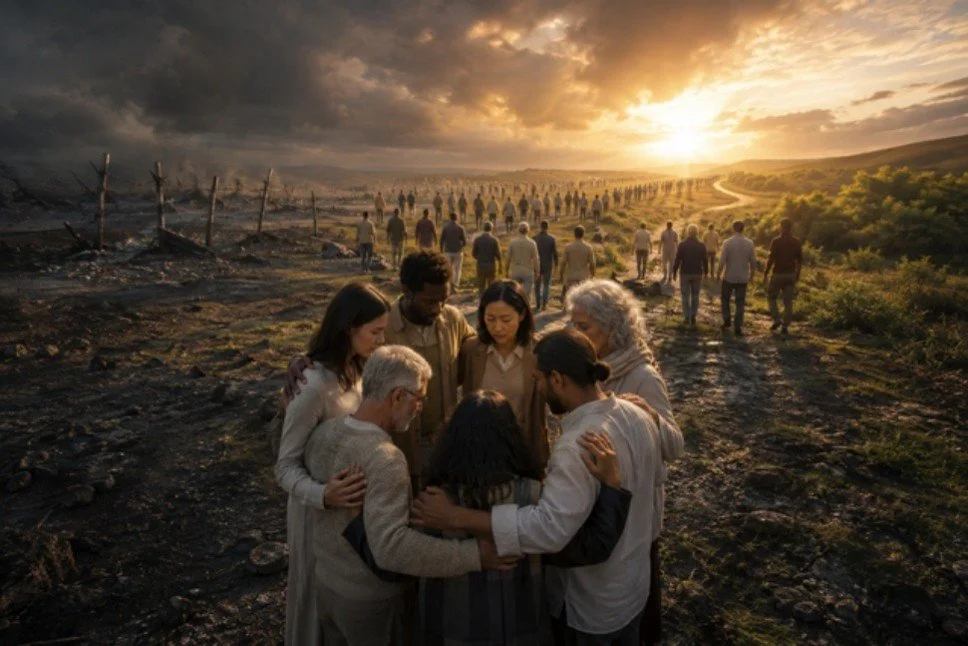
A statement commonly attributed to anthropologist Margaret Mead reminds us, “Never doubt that a small group of thoughtful, committed citizens can change the world; indeed it is the only thing that ever did.”
People Who Lead Us to Our Soul’s Home Part 3
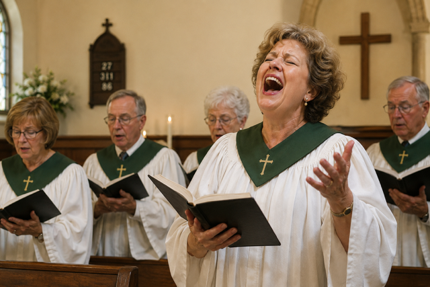
Though it grew to be much larger, the fledgling church of my childhood had fewer than fifty people at any given service. We had a devoted minister, a loyal congregation, and a choir that really tried despite its sparse membership. My mother was in the choir because our neighbor and friend, Mrs. Winifred Bell, had invited her.

People Who Lead Us to Our Soul’s Home Part 2
People influence one another because, whether we intend to or not, we are living examples of what we stand for and what we value.

People Who Lead Us to Our Soul’s Home Part 1
I often hear people advising others to “Just be yourself.” But what “self” are they talking about? Do they mean our agreed-upon outward image—our personality? Those who advise us to just “be ourselves” think that by sticking to that outward image, we do not have to worry about judgments or performance, —we know the script—we just stick with it, do not try to improve it or make up another person to be. Though we know that outward image very well, is it really who we are? No. There is deeper self that far surpasses the ego’s outward personality in authenticity. This is our deepest identity in which we feel most profoundly “ourselves.” It is our real home—honest, genuine, and true. It is our essence— our soul, in which there is no need for a script or camouflage.

Loving Ourselves and Others Part 7
Loving those we consider “unlovable” can be a tremendous spiritual challenge. We may think of ourselves as loving and accepting people, but then someone comes along who gets under our skin—and suddenly our love reaches its limit. We pull away. We close our hearts.

Loving Ourselves and Others Part 6
Letting God love us can be challenging. We may believe in God wholeheartedly and even have a deep relationship with God yet feel so disappointed in ourselves that we hesitate to enter God’s presence—much less ask for God’s help.

Loving Ourselves and Others Part 5
We were made to love, but sometimes we choose not to love. Why would we refuse to do something so natural to our souls? There are many reasons. Among them are inherited or learned prejudice, feelings of superiority, projection, apathy, and, perhaps most powerfully, hatred.

Loving Ourselves and Others Part 4
Loving ourselves includes the art of self-forgiveness. If we keep holding every mistake and wrongdoing against ourselves, how can we live with self-acceptance and healthy self-love? If we hold so much against ourselves, how can we be free to genuinely love others? We cannot. Unforgiven actions gnaw at the conscience and burden us with guilt and shame.

Loving Ourselves and Others Part 3
Another interpretation of the concept of “Loving Ourselves” is that we love ourselves so that we can truly love others. This means practicing self-compassion, staying aware of our needs, and making sure they are met as we continue our healing journey. We actively love ourselves not only because we are cherished creations, but because we genuinely desire to be vital conduits of love to others.
Loving Ourselves and Others Part 2
The concept of “loving ourselves” can mean many things. At its healthiest, self-love means recognizing that we are worthy of care, dignity, forgiveness, and compassion. It lets us honor our own needs while staying deeply aware of others' needs.

Loving Ourselves and Others Part 1
Today I was aware that a stranger felt uncomfortable in my presence. He had arrived at our house to do an estimate for some repair work. His youth and demeanor let me know that he was not experienced in meeting people and quoting estimates for his work. In fact, he had just begun his own business. Oh, how I identified with this young man. I recall vividly my first days and weeks in my work when I was “wet behind the ears” so to speak, and everyone I met could probably sense it.

Homecoming Part 7
Long before we have words to explain our deepest selves, our souls already show us what they love and need.

Homecoming Part 6
I walked up to the door of the mysterious house in the woods—the house I had seen countless times from afar but had never had the nerve to approach, climbed onto the porch, and rang the doorbell. I was curious about the mysterious people who lived there.

Homecoming Part 5
My soul’s home as a child included not only the yard, but the expansive woods just over the barbed wire fence. With our cocker spaniel Sparkle by my side, I’d bend the strands of prickly wire and climb through without a scrape. On the other side was another world—one of adventure, wonder, discovery, awe, freedom, risk, and even danger. I knew someone else owned those woods—there were metal “no trespassing” signs posted on several trees, and I found rabbit traps in several places. But to me, this land was my territory, my domain—my soul’s home, even if no one else knew it.

Homecoming Part 4
“You can exist without your soul,” Professor Lupin explains, but without it a person loses all sense of identity and becomes an empty shell.
—J. K. Rowling, Harry Potter and the Prisoner of Azkaban
Homecoming Part 3
I was happy at college. I had friends and thrived on my courses and activities, but something was always missing. I longed for home. Truly, there was no place like home, the place of my truest identity—where, from the first day of my life, I was loved most completely and where, in turn, I loved most deeply. I didn't want to live at home, but I missed it. I wished that I could carry the feeling of home with me in my new life at school.

Homecoming Part 2
Homecoming does not always mean returning to the home one once knew. Sometimes the old home is gone, and in more ways than one. Sometimes that home is no longer safe, even if it once seemed so. In these instances, homecoming takes many forms.