

Self-Worth Part 3
January 27, 2026
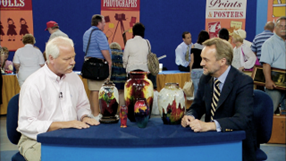
Self-Worth Part 3
We wait breathlessly for the expert to tell us what our heirloom is worth, yet we’ve never asked the ultimate authority what we are worth.
On the PBS show Antiques Roadshow, people bring their treasures to be appraised by an expert. It is not hard to see that most people hope for a high value to be placed on what they bring to the show. People bring furniture, paintings, lamps, pottery, books, clocks, sports and other historical memorabilia, jewelry, relics, guns, photos, maps, and many other treasures and keepsakes.
I notice the people seem to cherish what they bring to the event. This is likely because of the personal value they place on it. It could be a family piece, or something they found at a flea market or a yard sale. Some are family treasures inherited and passed down for generations.
The professional appraiser usually provides an account of the piece's history and facts about its genre. This is very interesting. But the person whose item is being appraised usually waits with bated breath, to hear the item's value. After the authority announces the dollar value of their item, there are various reactions.
Some people are so overwhelmed with joy about the appraisal that their eyes fill with tears, and they may even cry. Others react with sadness or irritation when the assessment is low, and they have a solemn look. Some of the event's patrons are not attached to the item, and when it is appraised, they do not seem affected. Others have a pleasant but curious reaction when the appraisal price is exceptionally high. Many of these dear souls say, “It is wonderful that it’s worth so much, but I would never part with it.”
Maybe we do not like to think of things this way, but how we value our possessions has many similarities to how we value our friends and family. Instead of having our friends’ and relatives’ appraised by an expert, we place the value on them ourselves. After all, we are the experts in how dear they are to us. Though most have immense value to us, some are more valuable to us than others.
For some of us, our most cherished relationships are the ones we cry about when reminded of their value. When we come to terms with some relationships, we may value them lower than we thought we would. Some relationships we take for granted. On the other hand, when we realize the inestimable value of someone, we may become extra possessive because we are reminded that we would never want to live without them.
When it comes to self-appraisal, we are apt to over or undervalue ourselves. But if we are blessed enough to realize our true worth and accept it, we may weep with profound joy. This realization comes not from our ego’s algorithms that calculate our value, but from asking God daily to affirm what we cannot see alone: that God loves us so completely that God created us to reflect the Divine in a way no other soul in the universe can.
Spiritual practice: Gently close your eyes and picture yourself before God. Ask God to tell you your worth and then listen to God’s answer.
Self-inquiry: What are the aspects of the Divine that you express, and what are the unique ways you express them?
Prayer:
Dear God, I come before you to hear what I cannot tell myself— the surety of my worth. For your love and the daily reminders of it, I am so grateful. Amen