

Thin Places Part 4
July 30, 2025
Thin Places Part 4
An uncle once told me he used dousing rods to locate water underground on his farm. He said, “The rods showed me where to dig for the dwell, and sure'nuf it was 75 feet down; that’s where I drilled and the water is cold and pure.”
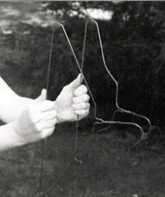
I had my doubts about dousing. It sounded like an old wives' tale and snake oil. How could metal rods held in each hand signify that water is underneath the ground? One day, he took me to the farm to show me. He used two coat hangers, one in each hand, and he walked with his hands straight in front of him. At times, the coat hangers would come together without his forcing them. “See there, look at that,” he said, “We are over water right now.”
In disbelief, I tried dousing with coat hangers, and to my astonishment, as I walked over specific places, they came together as if magnets.
Dowsing may seem an effective way to find water, especially when people report success, but science does not support it. It is therefore not regarded as a reliable method for locating water or other resources. Thin places are also not scientifically provable. Both thin places and dousing remain subjective, in that the witness reports them, and there is no adequate scientific way to measure them. Detecting thin places is beyond science. Dousing is also beyond science. So why are both still being experienced?
Spiritual practice: Why is spiritual practice subjective?
Self-inquiry: What are some things you believe in that are not provable by science?
Dear God,
For all of your truths, I am so grateful. Amen