Our Private Selves Part 5
February 12, 2026
Our Private Selves Part 5
What if self-doubt did not have to paralyze you?
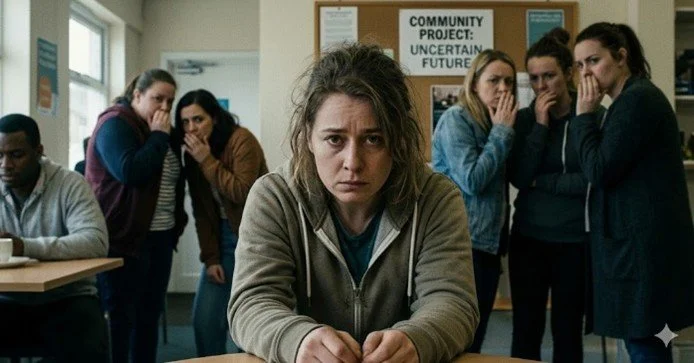
Self-doubt can wreak havoc on our private self, freezing us in place and undermining everything we know to be true. It can even torture us. But what if there was a way to meet it differently?
Every ego type experiences that nagging voice questioning our decisions, motives, sincerity, competence, strength, faith, trustworthiness, wisdom, worthiness. We doubt our plans, our needs, our actions, and decisions. The fallout is real: procrastination, self-abasement, avoidance, low self-esteem, failure to follow through. Others can sense our uncertainty and lose confidence in us, too.
Here’s the distinction that matters: some self-doubt is healthy. Good self-monitoring keeps us grounded in reality, and in fact, we can make mistakes. Typical self-doubt usually fades after we gather opinions, guidance, and information. But then there’s the kind that spirals. This is large-scale self-doubt that takes on a life of its own.
I experienced this recently. Someone offered constructive information and I heard it as a reprimand. “Maybe they’re right,” I thought. “Maybe my entire understanding of this is wrong. Maybe my approach isn't the best and may affect others. And maybe I’ll be judged harshly.” The catastrophizing spiraled from there.
This is my ego’s specialty. As a Six, doubt is always knocking at my door. Then comes the catastrophizing, the negative assumptions, and the projections that spin out of control. That night, I woke haunted by concern and shame, unable to sleep. Then I remembered some profound lines from Rudyard Kipling’s timeless poem, “If”:
If you can keep your head when all about you are losing theirs
And blaming it on you;
If you can trust yourself when all men doubt you,
But make allowance for their doubting too…
Two lines cut straight to the heart: “If you can trust yourself when all men doubt you but make allowance for their doubting too.”
Here’s the spiritual truth that came to me: Living consciously does not exempt us from self-doubt. What changes is how we treat it. Honest trust in ourselves is a soul quality. It is not blind arrogance, but genuine trust built on our relationship with the Divine. The first step is asking God for clarity, harmony, and divine guidance. If, in this sacred relationship, we self-remember that we are a soul child of God and embody our soul qualities, self-doubt cannot take us down. Even if everyone else doubts us, we can continue and believe in ourselves.
After that conversation with God, something transforms. We live reconnected with God’s blessing and support. We remember we are God’s beloved child, in whom God is well-pleased. With that foundational affirmation anchoring us, we can trust our motivations and aims. Those who fault us cannot fault our aim to please God. They may not be privy to that aim, or even care about it. But we know it, and that restores much confidence that self-doubt steals from us.
Humility matters. Kipling’s line reminds us: “But make allowance for their doubting too.” True confidence allows us to honestly examine others’ doubts in us and consider the truths they might hold. This is the non-dual wholeness: trusting ourselves and our deepest aims while staying humble enough to listen, admit mistakes, learn, and perfect our souls.
Spiritual practice: Read Kipling’s complete poem, “IF” and take notes on what may apply to your spiritual growth.
Self-inquiry: What inborn soul quality of yours helps you eradicate self-doubt?
Prayer:
Dear God, For being your beloved, I am truly grateful. Amen