Embodiment Part 6
April 4, 2026
Embodiment Part 6
Transforming a spiritual insight into embodied wisdom rarely happens quickly. More often, it unfolds through time and suffering. The magnitude of this transformation can be compared to the Grand Canyon—an immense beauty shaped not by a single event, but by eons of steady abrasion from flowing water. What seems slow and even destructive becomes, over time, a breathtaking landscape. So it is with the soul: time, abrasion, and hardship create depth in us until something enduring and beautiful appears.
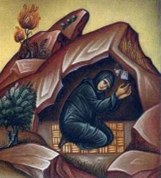
Profound spiritual insight often becomes part of us permanently only after we have suffered with it. The Desert Mothers and Fathers, seeking purification of the heart, did not flee suffering but embraced it through fasting, solitude, long vigils, poverty, and radical simplicity. Their hardships stripped away the thing Thomas Merton called “illusory reality,” the false structures of identity and security that obscure what is truly real.
Most of us are not monastics or ascetics, yet we, too, undergo a slow purification. In contemporary language, we may call this “life lessons,” “spiritual growth,” or “self-realization,” but these phrases point to the same reality: wisdom lived into the body. Hardship, loss, anxiety, and grief, force us to confront reality as it is, not as we wish it to be. Our former assumptions weaken. Our defenses no longer work. Gradually, in each painful circumstance, we relinquish the lenses through which we once interpreted it. This is the work of time and suffering.
If you ever doubt that you have embodied wisdom, consider what you have endured and what it has taught you. No human life is free from suffering, and all suffering carries an element of grief… the grief of losing what was, what might have been, or who we once believed ourselves to be. Though Joy has an equally pivotal role, pain purifies the soul. Like the Desert Mothers and Fathers, whether consciously or not, you have been undergoing a lifelong purification simply by living in a vulnerable human body.
Yet we often minimize our suffering, dismissing it as “water under the bridge.” In doing so, we overlook the very process that has shaped us. What if, instead, we honored our wounds as places where wisdom entered? What if we allowed ourselves to acknowledge how much depth, compassion, forgiveness, and clarity have grown from what we have survived?
May we learn to affirm ourselves, not for our achievements, but for the strength forged through difficulty. We are not merely what happened to us; we are what has been formed within us because of it.
Spiritual practice: What is the greatest suffering you have experienced? What wisdom has that suffering placed within you?
Self-inquiry: Would you rather be who you were before that suffering, without the wisdom it brought — or who you are now?
Prayer:
Dear God, For all my suffering, grant me the grace to recognize the gift hidden within it, and the courage to give thanks. Amen.