Accidents Part 3
October 22, 2026
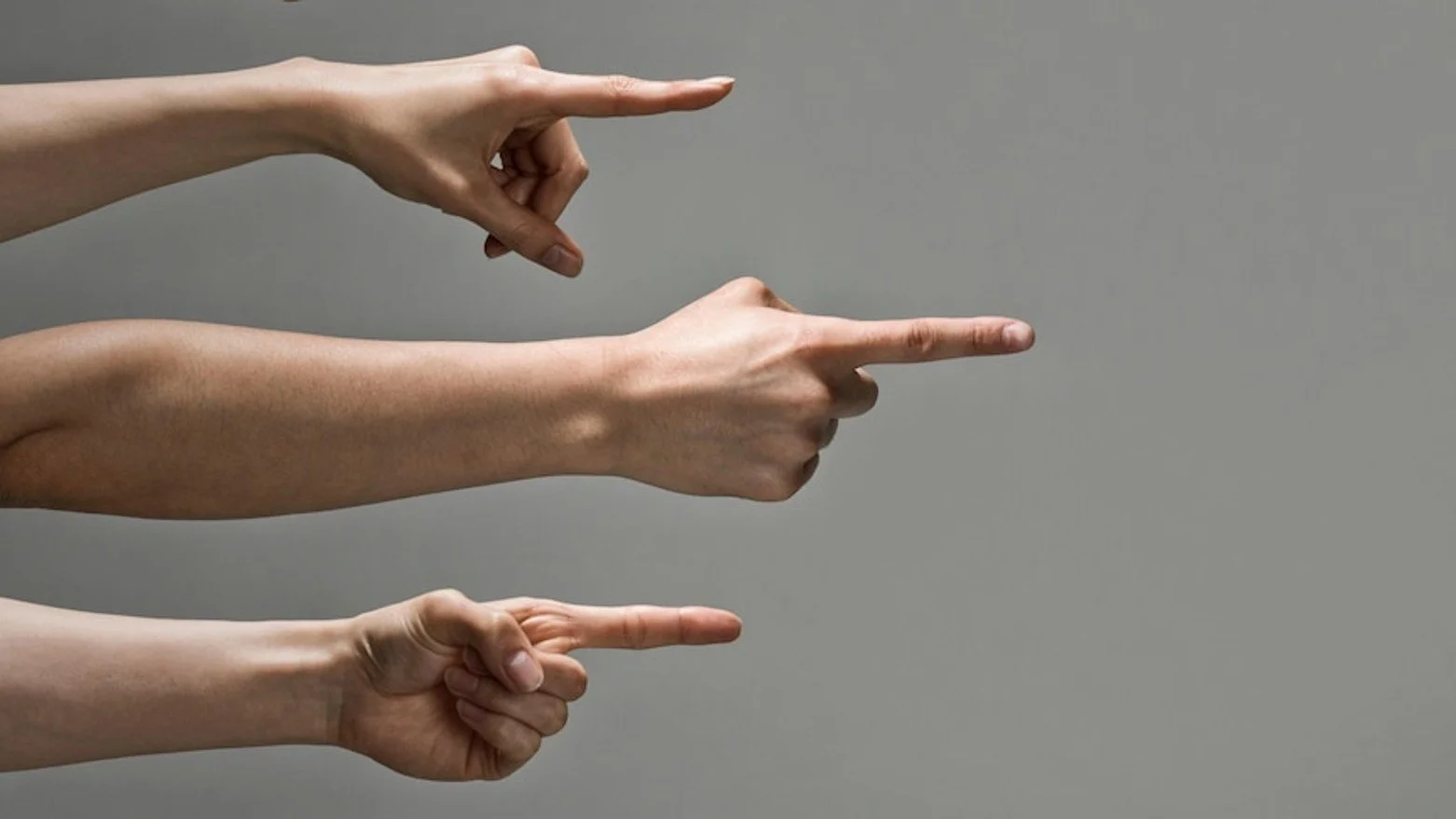
Photo: ABC News
There is a common psychological phenomenon called false attribution— we learn of an occurrence and assign it a cause, even if we do not know the cause. For example, we may see an interview with a famous singer and assume she succeeded because she came from a show business family with connections. Or we may blame a car crash on a slippery road, only to learn later that the driver was texting.
Accidents often invite this kind of assumption. One of the oldest assumptions is that an accident is God's punishment. In the Gospel of Luke, Jesus speaks of false attribution in connection with an accident that happened in Jerusalem:
“…Or those eighteen who died when the tower in Siloam fell on them—do you think they were more guilty than all the others living in Jerusalem?” I tell you, no!”
Then Jesus continues with a teaching about repentance. —Luke 13:4–5
This passage has many theological dimensions, but Jesus is clear: those who died in the accident were no more guilty than anyone else. He refuses to treat their deaths as proof that they deserved punishment. Then he uses the event to tell them of a greater risk— not repenting.
When an accident unsettles us, the unchecked ego may rush to explain it. We oftentimes blame ourselves. This is when guilt and shame can trigger self-blame. But blaming someone else, even God, can be more convenient than self-flagellation or uncertainty. This style of dealing with blame, which we know as scapegoating, is an ancient human defense because in scapegoating, we avoid facing our own part in what went wrong.
Entire communities can do this, too. They may attribute their troubles to another community, culture, civilization, or religion until blame becomes woven into their history and ethos.
In the conscious spiritual life, we try to see accidents clearly. Some accidents result from our mistakes or lapses in awareness; others occur despite our best efforts to be aware. But we take responsibility where it belongs, while remembering that none of us sees or understands everything in totality. All of us make errors. Admitting mistakes and accidents is a conscious response. I am reminded that the Dalai Lama issued a public apology in 2023 for a mistake he made. That apology reminded the world that regardless of who we are, we can falter.
It is very human to make false assumptions about the causes of accidents, or anything we do not fully understand. When we find ourselves in conflict because of false attribution, honest conversation can help us return to the truth. We can ask what happened, listen to one another, and be willing to revise what we thought we knew. In doing so, we may spare others—and ourselves—the suffering that misinformed and misplaced blame can bring.
Inquiry
What are some reasons why it may be more convenient to make up a reason why an accident occurred… and believe it?
Prayer
Dear God,
So many times I have falsely attributed my own reasons for things that happen. Reflecting on this, I understand even more why the facts are so vital before acting or assuming. I pray for the gift of patience, so I don't rush to judgment before I know.
Amen