Reflection Part 6
October 18, 2025
Reflection Part 6
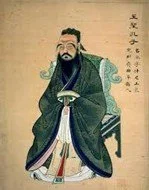
Confucius wrote, “By three methods we may learn wisdom: First, by reflection, which is the noblest; second, by imitation, which is the easiest; and third, by experience, which is the bitterest.” (In Lunyu, Confucius, c. 206 B.C.)
This famous quotation from Confucius still speaks to us today. At first glance, I noticed that none of his three methods for gaining wisdom include reading, which is the first method I might have listed. Yet the more I reflected, the clearer it became; reading alone, without experience, is not wisdom. Our earliest ancestors had no written language, yet gained enough wisdom to survive, thrive, and evolve. Their collective wisdom brought us to the point at which reading and writing naturally developed.
What surprises me most is that Confucius placed reflection as the first method, calling it the noblest of the three. At first, I would not have chosen reflection as the primary way to wisdom, nor would I have described it as the noblest. But on a more profound level, I see what he meant. We examine our motives, intentions, attitudes, behaviors, relationships, commitments, decisions, and outcomes— literally all we do and say, by the process of reflection. We weigh what was wise and what was not.
How else could we know if our actions were wise, except by reflecting on them? Reflection is like a mirror held up to our past. With the virtue of courage, we can face the truth of what we see even when it is unflattering, inconvenient, and at odds with our perceptions. Applying courage and strength to reflect honestly actually does make it a noble process. With courage and honesty, we can reflect on our individual lives and collective history.
In personal reflection, we strip away ego distortions to see more clearly. In that light of truth, wisdom is distilled from direct, unvarnished experience.
The Spanish philosopher George Santayana (1863–1952) took this notion further when he wrote, “Those who cannot remember the past are condemned to repeat it.” I first saw this quotation on a sign at the Dachau concentration camp in Germany in 1971. It was placed there so we would never forget. Whoever placed that sign there wanted the reader to reflect on the unspeakable crimes committed there. Only by memory and reflection can we fully remember and avoid the same suffering.
Our own country also calls for reflection. We have much to celebrate in our history, including our leadership in the free world, our untold sacrifices for life, liberty, and the pursuit of happiness, and the progress and aid we have given in liberty, science, medicine, peace, and diplomacy. Yet our past also includes enslavement, oppression, genocide, greed, and even concentration camps for our own people who had done no wrong. Only by reflecting on the fullness of our history, both the noble and the shameful, can we learn, grow, and avoid repeating the same mistakes. Only then can we repair and heal the damage done.
Individual and collective consciousness depends on reflection. As Confucius reminds us, it is the first step, and the noblest.
Spiritual practice: Reflect on your past. What can be blessed, and what calls to be redeemed?
Self-inquiry: Do you have the courage and will to reflect honestly on your past?
Prayer: Dear God, As I reflect, give me the courage to accept the truth and the strength to move forward in wisdom. Amen.