Our Private Thoughts Part 4
August 21, 2025
Our Private Thoughts Part 4
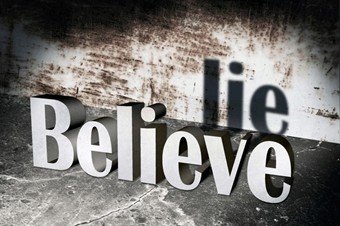
Sometimes our private thoughts are actually lies we tell ourselves. Psychologist Albert Ellis called these lies irrational thoughts. He authored books including A Guide to Rational Living and How to Stubbornly Refuse to Make Yourself Miserable About Anything… Yes ANYTHING. Ellis says when we believe an irrational thought, we cause much undeserved suffering for ourselves and others.
Take Lloyd, for example. He is convinced that if he skips Thanksgiving with a particular branch of his family, disaster will follow. He imagines that his absence will break a sacred tradition and cause a deep family rift. Every year, despite his growing dread, Lloyd forces himself to attend the gathering—to “keep the family together.”
But here is the truth: Lloyd cannot stand that side of the family. The dinner always devolves into political and religious arguments that leave him angry and exhausted. And as it turns out, everyone would rather spend the holiday with friends or people they enjoy. The gathering continues only due to a habit out of mindless tradition.
Lloyd’s belief—that his attendance is crucial to family unity—is an irrational thought. The truth is that there is no family unity, but everyone operates as if there is. The Thanksgiving gathering is actually a sham and it would be best if everyone accepted this. His self-imposed rule that he must attend it is a lie Lloyd tells himself, and it ruins his holiday year after year. In fact, if Lloyd did not attend, it may give others permission to do as well.
Many of our irrational thoughts come from assumptions we make. We project onto the situation our own desires and fears. Most irrational thoughts are accompanied by what Ellis refers to as “Catastrophizing.” We keep our irrational thought because we assume that if we do not treat it as real, a catastrophe will happen.
At the core of these irrational thoughts are the nine foundational lies described in the Enneagram of Lies. Each one corresponds to a deep-rooted pattern of belief:
Type One: If I am not right, I am invalid.
Type Two: If I do not continually serve others, I will not be wanted or loved.
Type Three: If I do not maintain my positive image, I’ll be worthless.
Type Four: Unless I’m unique and special, I will not be seen, validated or acknowledged.
Type Five: My life depends on how much I know.
Type Six: The world is dangerous, and I must stay protected, or I will be annihilated.
Type Seven: If I stop moving or acquiring, I will be deprived and not know how to live.
Type Eight: If I show my weakness, I will be destroyed.
Type Nine: If I speak my truth or stand up for myself, I will lose my place at the table.
If we live by even one of these lies, it can distort our reality. And when we catastrophize, we stay in that distorted reality. These false beliefs shape how we see the world, how we relate to others, and how we make choices—often without our even realizing it.
Spiritual practice: Review the nine foundational lies. Do any feel familiar? If so, ask yourself: What might life look like if I no longer believed this?
Self-inquiry: When will you begin to disbelieve the lie?
Dear God, I humbly pray that my thoughts—both private and spoken—may be grounded in truth and clarity. Amen.