Gratefulness Part 3
September 18, 2025
Gratefulness Part 3
In Cherokee, the word for expressing gratitude is Otsaliheliga (pronounced oh-jah-LEE-hay-lee-gah), which means "we are grateful." The concept of thankfulness is deeply woven into Cherokee culture, particularly in ceremonies that honor the Earth and the Creator. All Native American tribes include gratefulness in their ceremonies and daily rituals. Not only native Americans but indigenous cultures around the world, from the aborigines in Australia, to tribes in Africa to the indigenous people in South America, all honor the quality of gratefulness, especially gratefulness to nature.
Why would that be so? According to philosopher and mythologist Joseph Campbell, indigenous cultures include gratefulness in their cultures because they recognize a covenant between the animal world, the earth, and the human world. Gratitude is the essential component of this bond, because it acknowledges that life is sustained by the gifts and sacrifices of other beings and the earth itself. But western civilization doesn’t adhere to the gratefulness of the indigenous peoples. Instead, western cultures often view nature as a resource to be dominated and, in many cases, exhausted.
Maybe as a collective, we think the earth is a given— something to be taken for granted. Maybe we think we deserve the earth and everything in it, and that it will always be here regardless of how we use or misuse its resources. Unlike the first cultures that were closer to the earth than we, most current western cultures do not revere the earth as did the indigenous first cultures. We have disconnected so much from bonding with and being grateful for the earth. We even have middle-men and women grow things and kill animals for us. Could it be that we are not grateful to earth because we are out of touch with it? We are a collective ego that has forgotten its essence.
But consciousness asks us to look at all things in as much awareness as possible. And in consciousness we seek to comprehend the reality of any action in terms of the cycle of life. And we cannot fully comprehend reality without sensitivity to the divine source that is intrinsically a part of that sacred cycle. The divine source is what fuels our collective essence.
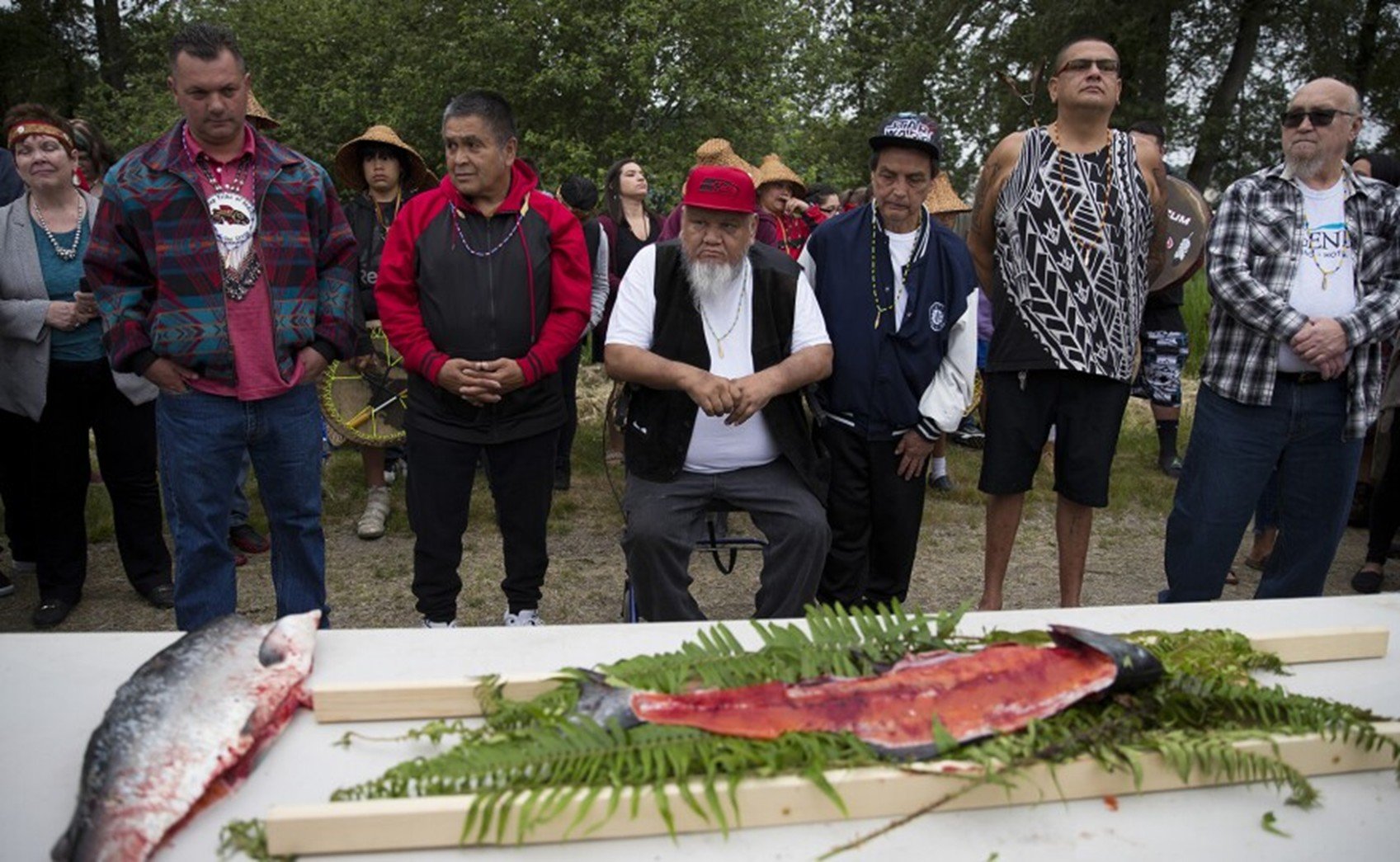
Campbell recognized that Native American societies saw creation not as something to be dominated and used, but as a gift to be grateful for. Rituals of thanks, such as those performed for the first wave of salmon on the Northwest Coast, honor nature and the abundance it provides in the cycle of life. This creates stewardship rather than dominance over the earth. This creates gratefulness. This affirms our essence.
Spiritual practice: Perform a ritual in which you express your gratitude to the earth.
Self-inquiry: What is your relationship with the earth?
Prayer: Dear God, I am so far away from the earth compared to the Cherokees who lived on the very land I live on today. I pray to feel toward the earth the way they did. Amen