Consciousness and Prayer Part 4
July 2, 2025
Consciousness and Prayer Part 4
We offer prayers for praise, thanksgiving, and adoration. The overarching goal is not necessarily to ask anything of the Divine but to express gratefulness. These prayers are filled with praise for the wonderful things attributed to God and for specific prayers answered.
Some say that thanking God for good things is a mistake because they believe God does not cause good or dreadful things. They hold that God allows reality to unfold as it will and does not interfere with it. The converse would be to assume that God is a controller of events and to thank God for things that go right.
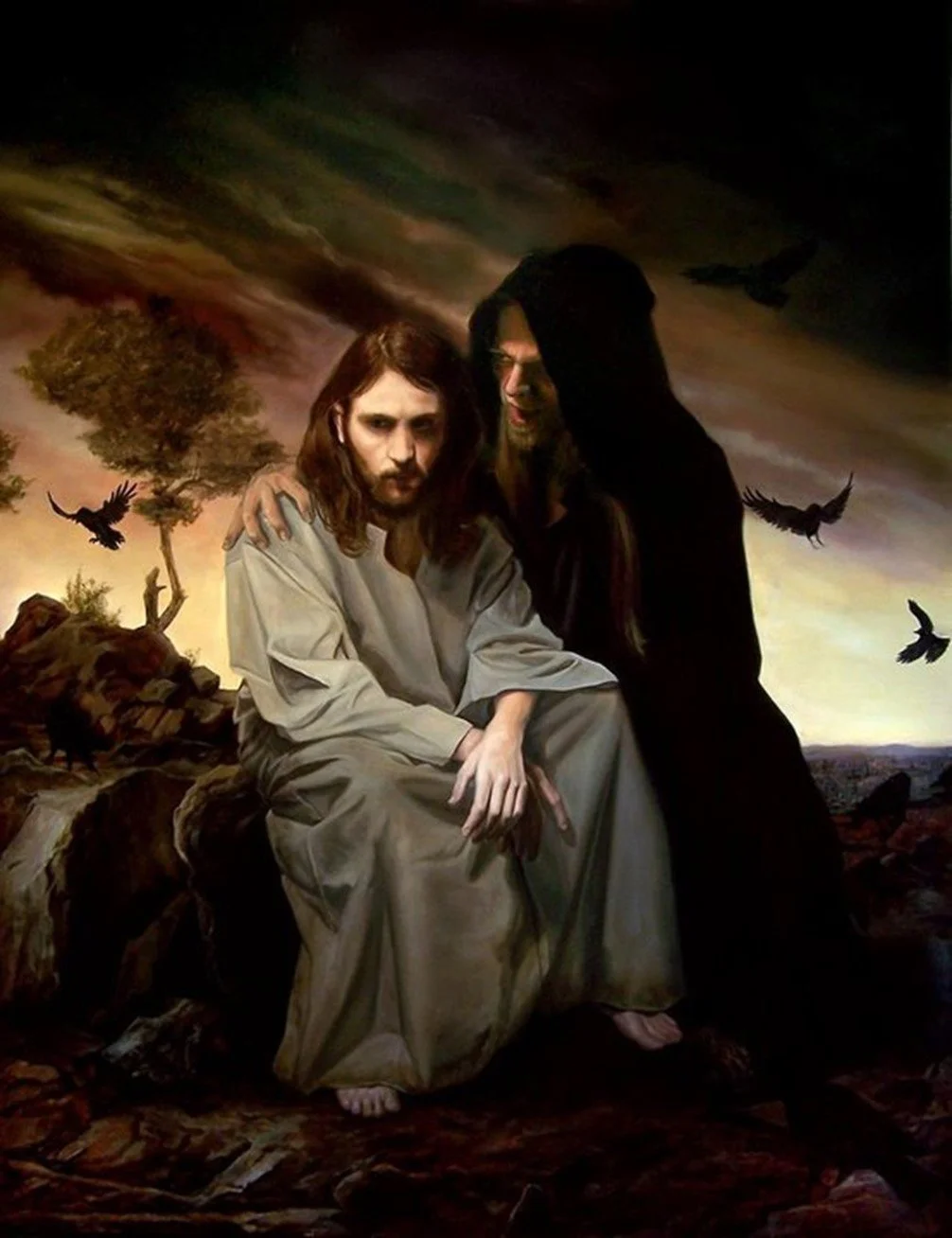
Many believe that God is the controller, that we are puppets, and that God causes only good things; the dreadful things come from an evil power that God is fighting. That line of thought makes sense for those who ascribe to a dualistic universe. But if we follow this line of thought, many theological conundrums arise, one of which is that God would have to allow evil. For those who see God as all good, there must be a way to accept that God allows evil.
However, there is another way to perceive the role of the Divine in our relationships and circumstances without making God the puppeteer or believing that God allows and turns a blind eye when bad things happen. This is the belief that God understands the dilemma of God’s children and that our exposure to evil is explained mainly by the gift of free will, which is addressed in the Genesis account of “the fall.” Without free will, we would be robots without the ability to choose the spiritual life and, therefore, to choose good over evil.
The fall depicted by Adam and Eve in the garden is a story about humanity’s collective choice to pursue the ego’s will over that which God proscribes as the way to live. Adam and Eve chose their ego’s will, only to regret it. The story also shows that the Creator has not abandoned us but offers redemption for the mistakes of our unchecked egos. The Creator also knows the world's sorrows — our terrible losses, unjust cruelties, sickness, and disaster. Rather than removing them, so that we live in a utopia, God stands ready to aid us and offer redemption.
Jesus retells the story of the fall in his parable of the prodigal son. The son lets his unchecked ego overtake him and exerts the free will given to him by his father. Then, after much suffering, the son realizes the error of his will and returns to his father for mercy. Because of his self-realization and the acceptance of his father’s mercy, the prodigal eventually finds his true self and place in the world. The prodigal son can be compared to Adam, Eve, and the Fall. Yes, evil is in the world, but as Jesus tells the story, the Father is there to give mercy. Jesus portrays the repentant prodigal as much more whole than his older brother, who went with his ego by staying safe and secure. The older, resentful brother does not see the error of his will and, therefore, never comes to self-realization and thus cannot demonstrate the level of compassion as the father. The older brother can be compared to our ego fixations that resist change.
Despite the different theological interpretations of the above accounts, one fact remains—we can ask God for help, and we may indeed receive it. But if we do not receive it or do not receive it how or when we want it, then we have the choice to trust that the outcome serves a higher purpose than our prayer. Trusting that mystery is a matter of great faith. 1 Thessalonians 5:18: "Give thanks in all circumstances, for this is God's will for you in Christ Jesus.”
Spiritual practice: Pray to God about a circumstance that you are concerned about and be alert as to how it unfolds. Notice how you feel toward God about the outcome.
Self-inquiry: How difficult or easy can it be to thank God in all circumstances?
Dear God,
I pray to trust the great mystery because I do not have that ability alone. Amen