November 1, 2026
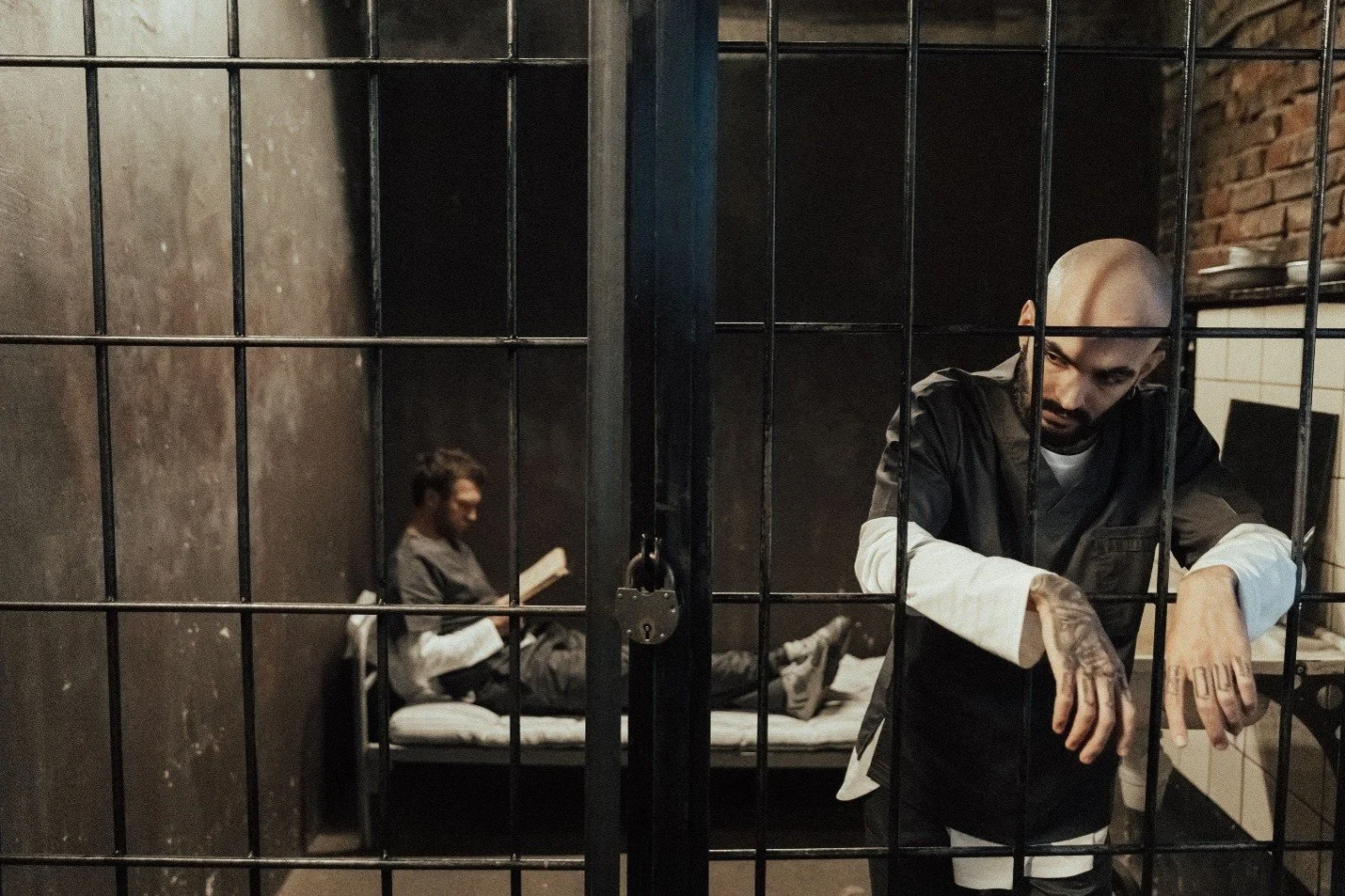
Sometimes the very thing that holds us back becomes a place where our soul moves forward.
Waiting can be full of frustration. Something must be done, but for reasons beyond our control, things have stalled. Frustration builds, and we can become miffed with those in charge and with the circumstances themselves. Our waiting becomes almost torturous because we can see nothing, but what blocks our freedom to move forward.
I sometimes think about people who have endured imprisonment, captivity, or solitary confinement. Among them were people whose lives would profoundly affect the world: the apostles Paul and Peter, Martin Luther King Jr., Nelson Mandela, Viktor Frankl, and John McCain. Others, including Rosa Parks and Angela Davis, experienced a brief confinement whose consequences reached far beyond the jail itself.
Their circumstances and the lengths of their confinement differed greatly. Yet each knew what it meant to lose the freedom to go where they wished and to do what they had planned. They had to wait.
And yet, their contributions did not end at the prison door. Consider Martin Luther King Jr.’s Letter from Birmingham Jail. Written during his confinement in 1963, it carried his voice far beyond the walls that held him. The place intended to restrict him became a place from which he spoke to the world.
Why would people with so much to contribute be silenced and separated from others? Wouldn’t they do more good if they were free?
Of course, freedom mattered. Their suffering was real, and the good that emerged did not make the injustice right. Yet a paradox remains: confinement could restrict their movements without entirely restricting their capacity to love, understand, create, or serve.
Some found ways to wait consciously. By this I mean that they attended to what was happening within them, even when they could do little to change what was happening around them. Their waiting became part of their spiritual work.
Their experiences suggest possibilities for our own unwanted periods of waiting:
We can acknowledge our frustration and even our rage without allowing bitterness to govern our lives.
We can use the time available to read, learn, reflect, and write.
We can examine our responses and learn more conscious ways to express ourselves.
We can establish routines that support us through exercise, meditation, prayer, and study.
We can come to know ourselves more intimately and deepen our creativity and joy.
We can notice others who are suffering and find ways to serve them.
We can let our purpose become clearer and our concern for others grow.
We can recognize the humanity of those we oppose while continuing to resist injustice.
We can envision a future beyond the circumstances that presently confine us.
Most of our waiting bears little resemblance to imprisonment. Still, when our plans are blocked, we may feel that our lives have been put on hold. We may begin to believe that nothing meaningful can happen until the obstacle is removed.
But is everything on hold? Can we still love? Can we still learn? Can we still create, find joy, and deepen our spirituality? Can we still listen for God?
For these dear souls, what they found while they consciously waited became part of what they eventually offered the world. Something was taking shape within them even when their outward lives were severely restricted.
I believe something can take shape within us, too, while we wait.
Spiritual Practice
Write about a time when your life was on hold and what emerged from that time that might not have emerged otherwise.
Inquiry
What makes you resist waiting?
Prayer
Dear God,
Bless us as we wait and reassure us that You waste nothing.
Amen